May 19, 2026
Kaidi Tingas
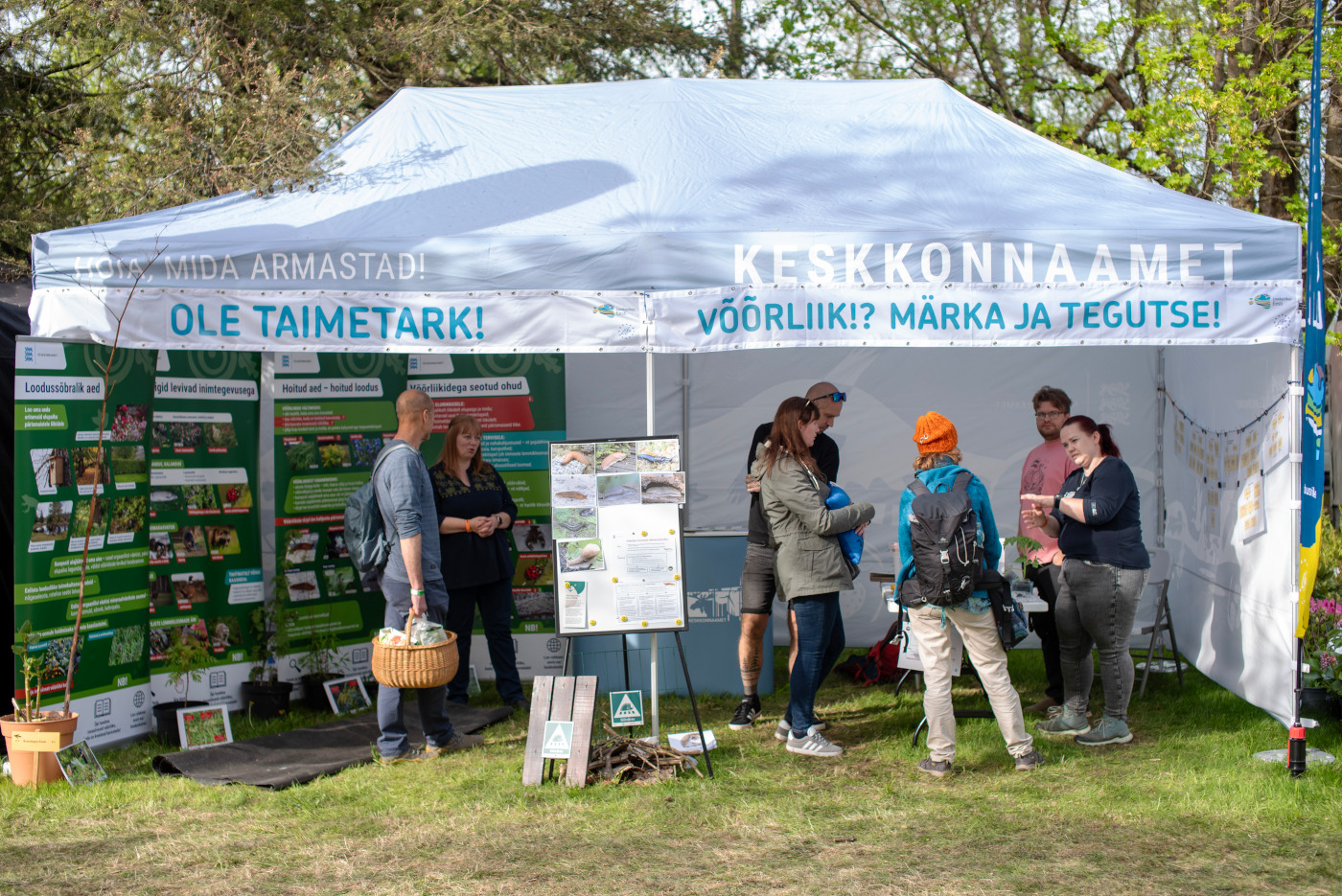
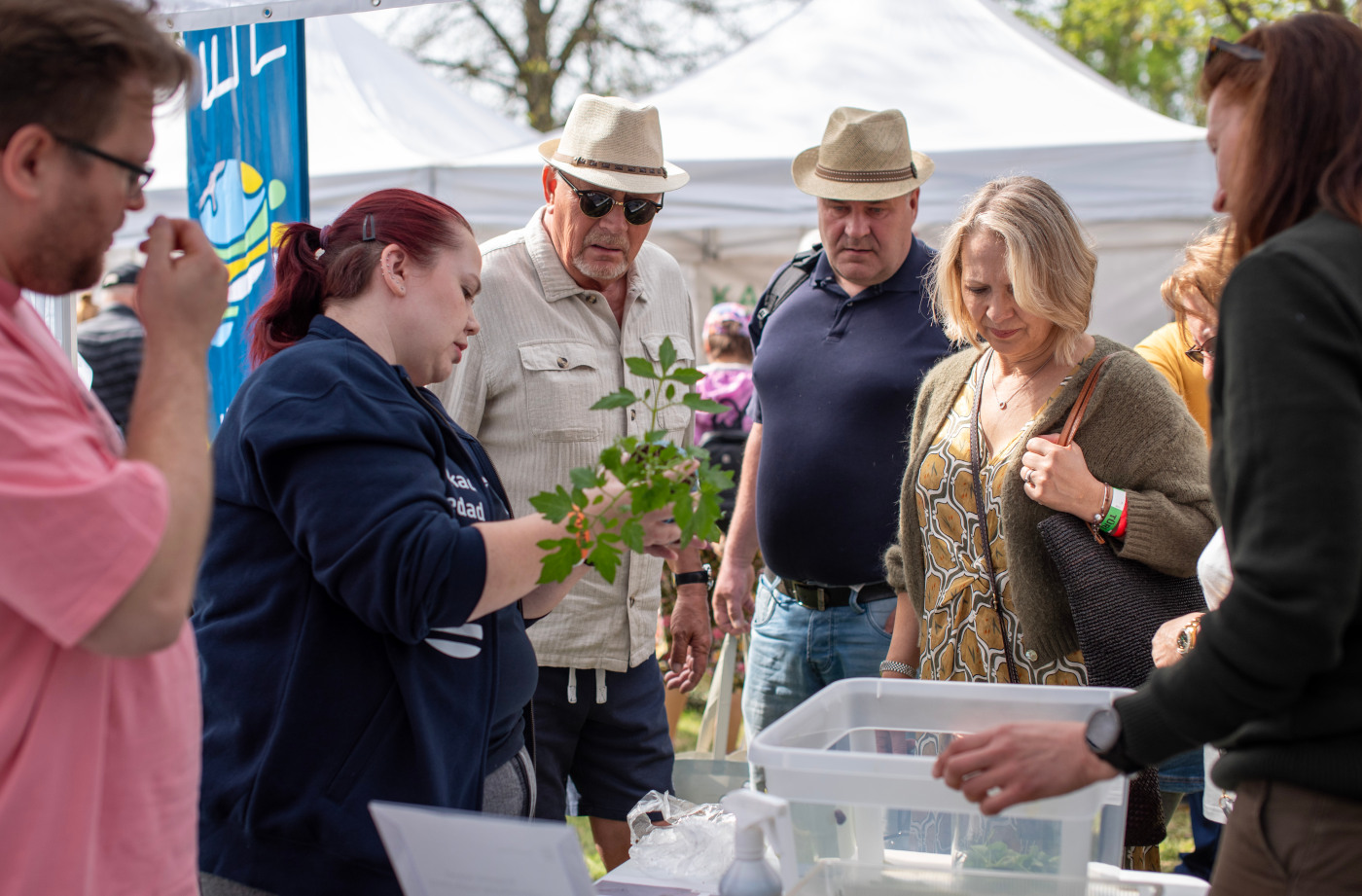
Visitors to the Türi Flower Fair felt they’d learnt a lot in our tent
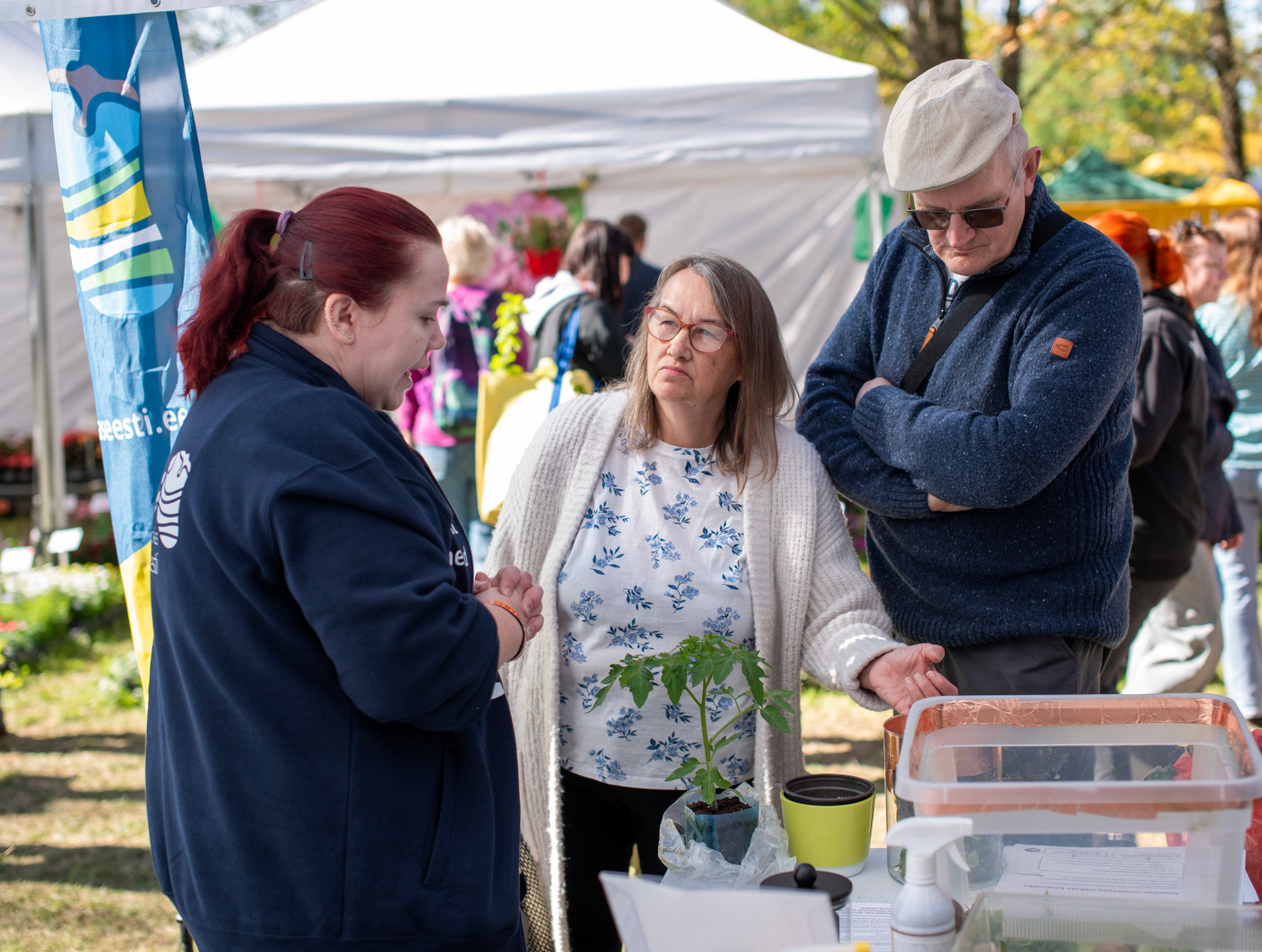
It was lovely to once again meet gardening enthusiasts at the Türi Flower Fair, and our topic – how to avoid introducing invasive species into your garden and, if they are already there, how to control them – proved very popular.
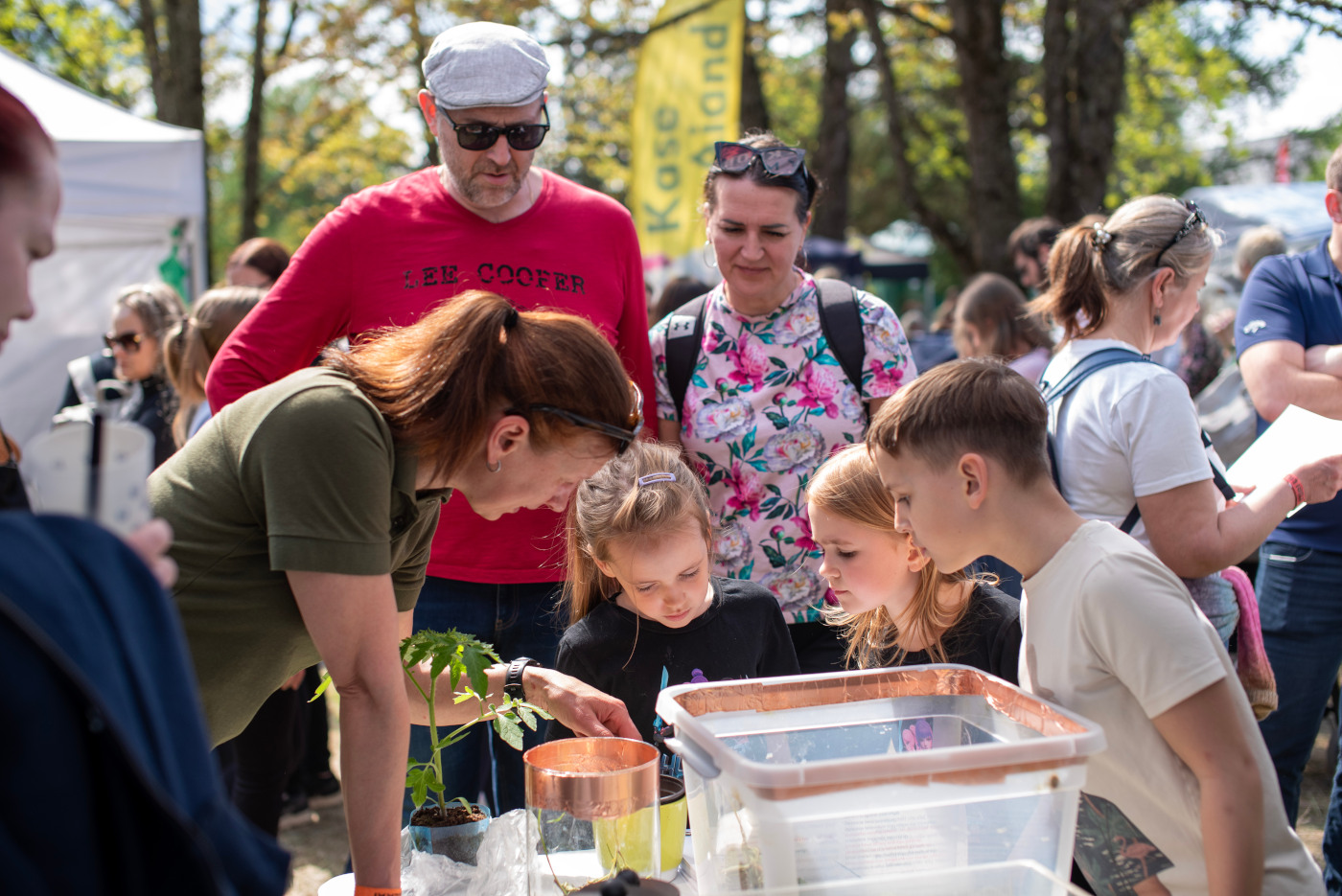
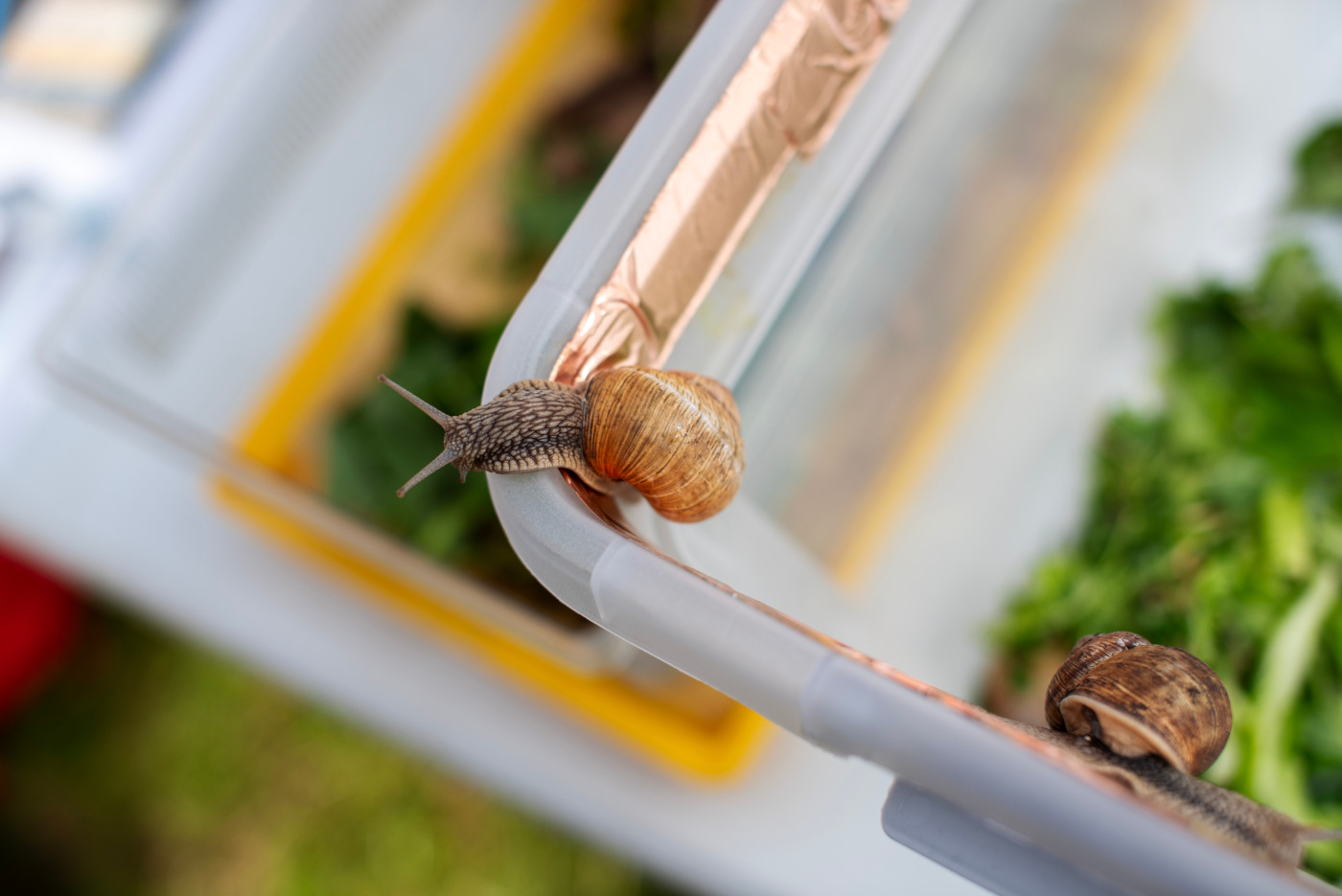
Visitors to our tent were able to identify native copse snails, take a closer look at the Burgundy snail – an invasive species that arrived here as far back as the Middle Ages – and, naturally, a large crowd gathered around the Spanish slugs.
Although this spring has been dry and there have been fewer slugs out and about as a result, we found the Spanish slugs for our collection on the banks of the artificial lake in Türi the day before the flower fair. We tried to restrict their freedom of movement in the rearing boxes using copper tape, as there is a rumour going around that Spanish slugs won’t climb over copper or zinc because these materials react with the slug’s skin and cause an unpleasant sensation.
Our experiment worked for a day or so. However, after several attempts to crawl over the copper tape, the snail created a barrier with its slime that allowed it to subsequently cross the obstacle with relative ease. This is yet another example of the remarkable adaptability exhibited by invasive alien species.
Therefore, prevention is key. Both on Friday’s Terevisioon programme and during the two fair days, our invasive species expert, Merike Linnamägi, emphasised that plants must be examined carefully before purchase: check that there are no holes or slime trails on the leaves, and that there are no white spots on the roots; if these are semi-transparent and clustered together, they are most likely not fertiliser granules but snail eggs.
Merike also emphasised that it is precisely in spring that snails must be collected, as each snail (they are hermaphrodites) lays 400 eggs, and the fewer eggs there are, the easier the gardener’s task will be in summer.
We also spent a lot of time discussing Japanese knotweed and shared our own stories of knotweed control. Often, control efforts last for years and are not always successful. For our part, we talked about experimenting with steaming, spraying plant stems with brine and covering them with a geotextile, and we were able to share quite a few lessons learned with one another.
This time, we were joined by urbanLIFEcircles, the organisation creating a biodiverse urban space in Tartu, which built a garden gate for the hedgehog – the great enemy of garden pests – and talked about which native plants could be brought into the garden instead of the invasive Canada goldenrod or lupin. Be it camas, Veronica spicata, clustered bellflower, or even smooth northern dragonhead.
The best part was when people came back to see us a second time, saying they’d popped round the market and were dropping by again before heading off!
We wish everyone a pest-free summer!