February 20, 2026
Riho Marja
Grey partridge habitat surveys published in scientific journal
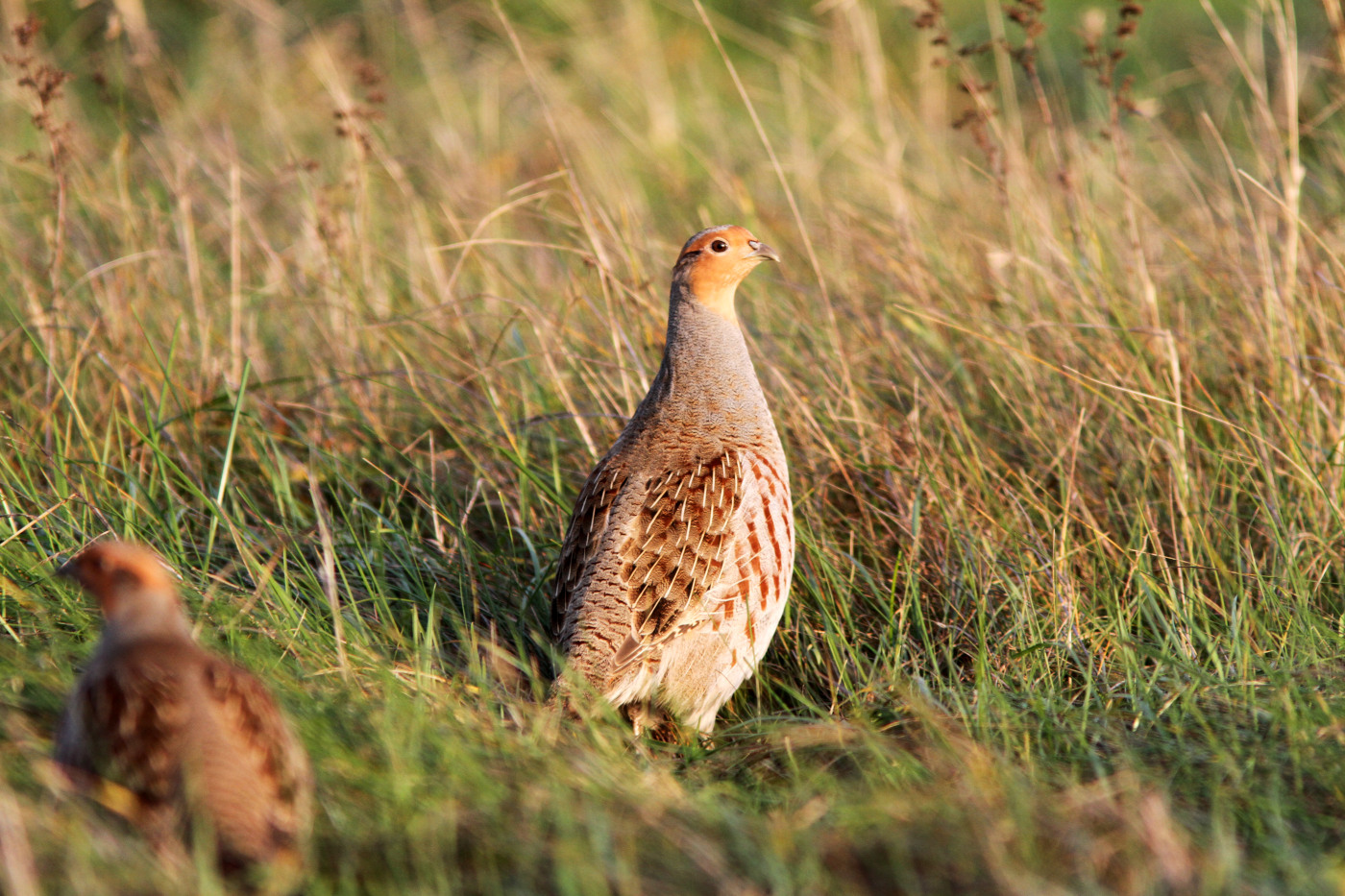
The grey partridge is considered a resident bird, remaining on agricultural landscapes in Estonia throughout the year rather than migrating long distances. However, grey partridge habitat surveys conducted by BirdLife Estonia as part of the ‘Nature-rich Estonia’ project revealed that the actual movements of these birds are surprisingly active and more complex than previously thought.
Although the project involves BirdLife Estonia studying the habitat preferences of farmland birds more broadly and the behaviour of farmland indicator species – the corn crake, the grey partridge, and the common starling – in greater detail, an interesting behavioural fact about the grey partridge has emerged. Despite being a clearly diurnal species that begins its activities at dawn and continues feeding into the twilight hours, the grey partridge is also active at night.
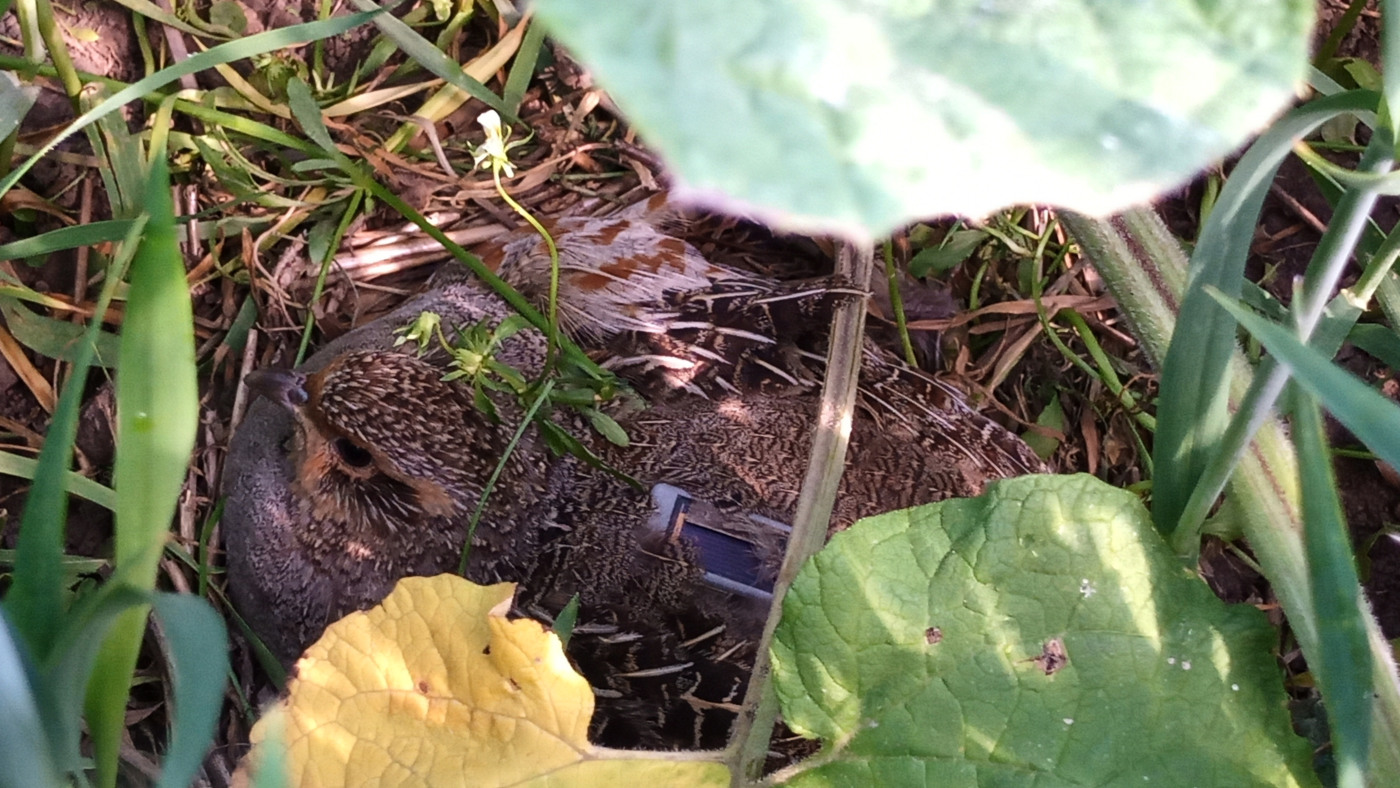
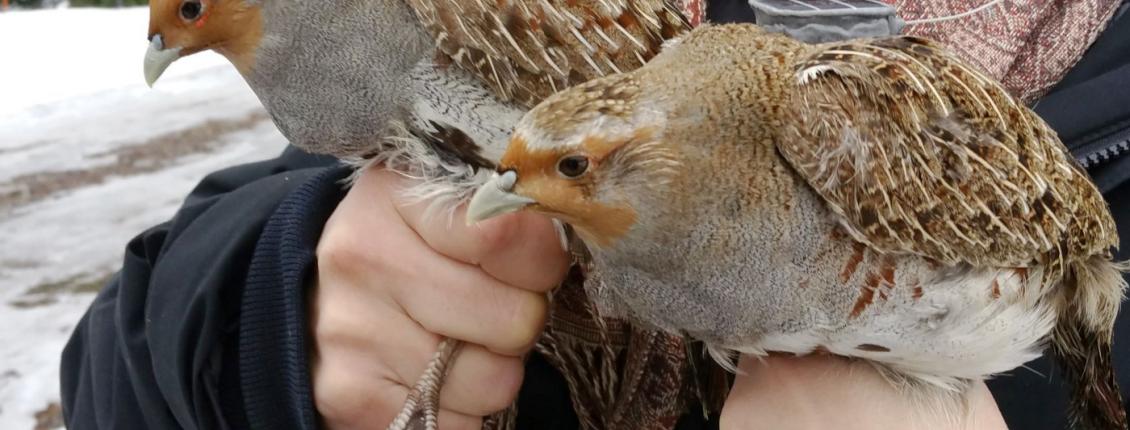
The night-time movements of the grey partridge were revealed during fieldwork, when modern GPS transmitters were fitted to dozens of birds, recording their movements and activity every 15 minutes. In as many as 45% of cases, the grey partridges did not spend the night at their initially chosen roosting site, but moved elsewhere for some reason (presumably due to disturbance and/or predation), though mainly within 100 m of their original location. Such nocturnal activity is highly unexpected and suggests that disturbance and/or predation pressure on grey partridges in the agricultural landscape is significant. This may also be one of the factors contributing to the decline in the species’ numbers.
The grey partridge is a characteristic bird species of open agricultural landscapes. It prefers to forage and move about in the natural vegetation of field margins, avoiding forest stands and wetlands. As edge habitats have become increasingly scarce in Estonia due to increased land cultivation, the population of the species has been negatively affected. In addition to habitat loss, the long-term and widespread use of pesticides has also had a negative impact on the species.
The results of research on the life history and habitat of the grey partridge were published in the ornithological journal Ardea.
The aim of the bird research carried out as part of the project is to propose more effective environmental measures for use in fields (creating field margins suitable for birds, less intensive grassland management) to improve the welfare and increase the population of farmland birds. The measures currently in place in Estonia are not sufficient to support the life cycles of farmland birds, or they are implemented across areas that are too small.