April 5, 2026
Kaidi Tingas
Coastal birds are quickly returning to open landscapes, but foxes continue to prey on nests
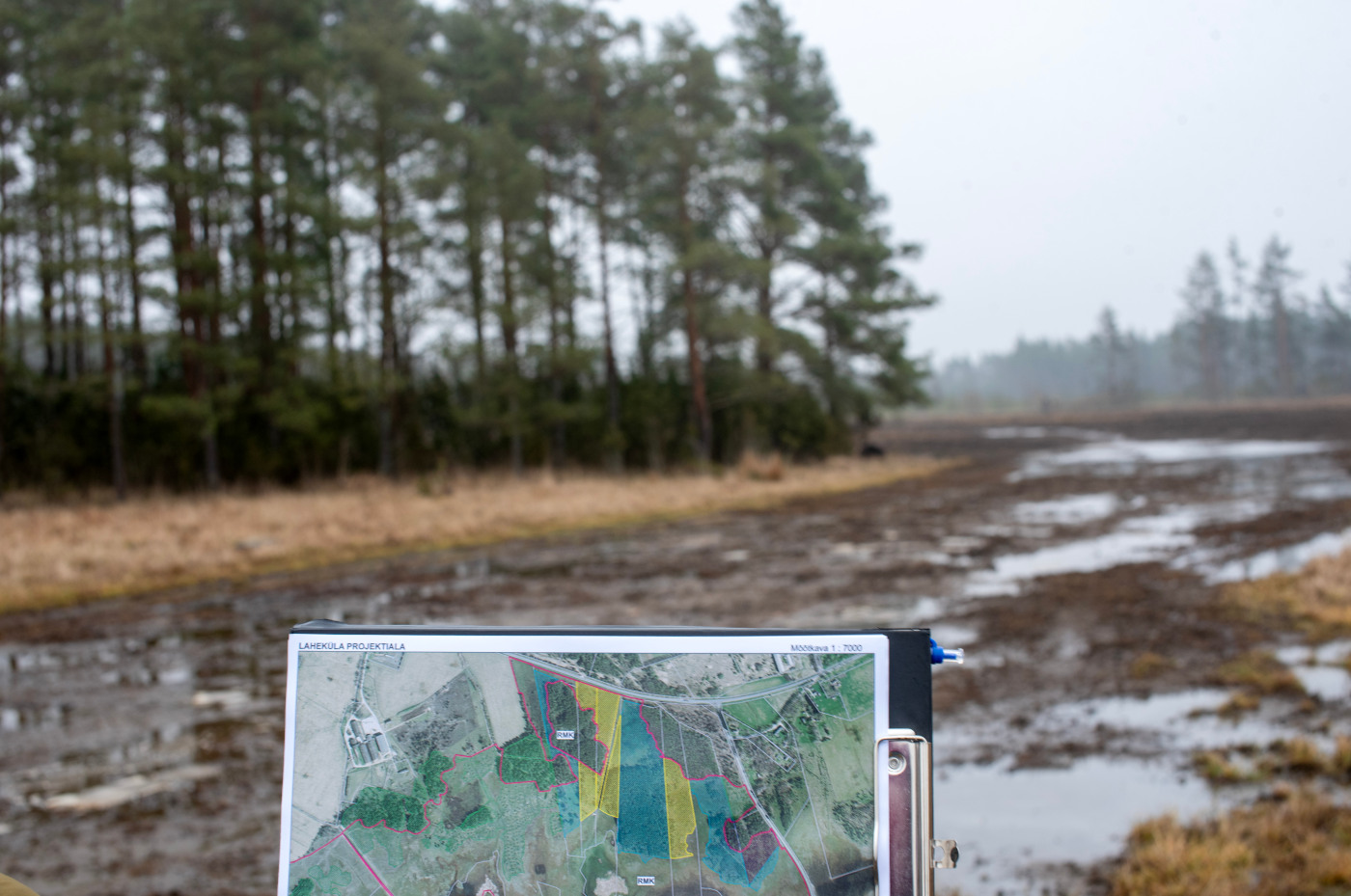
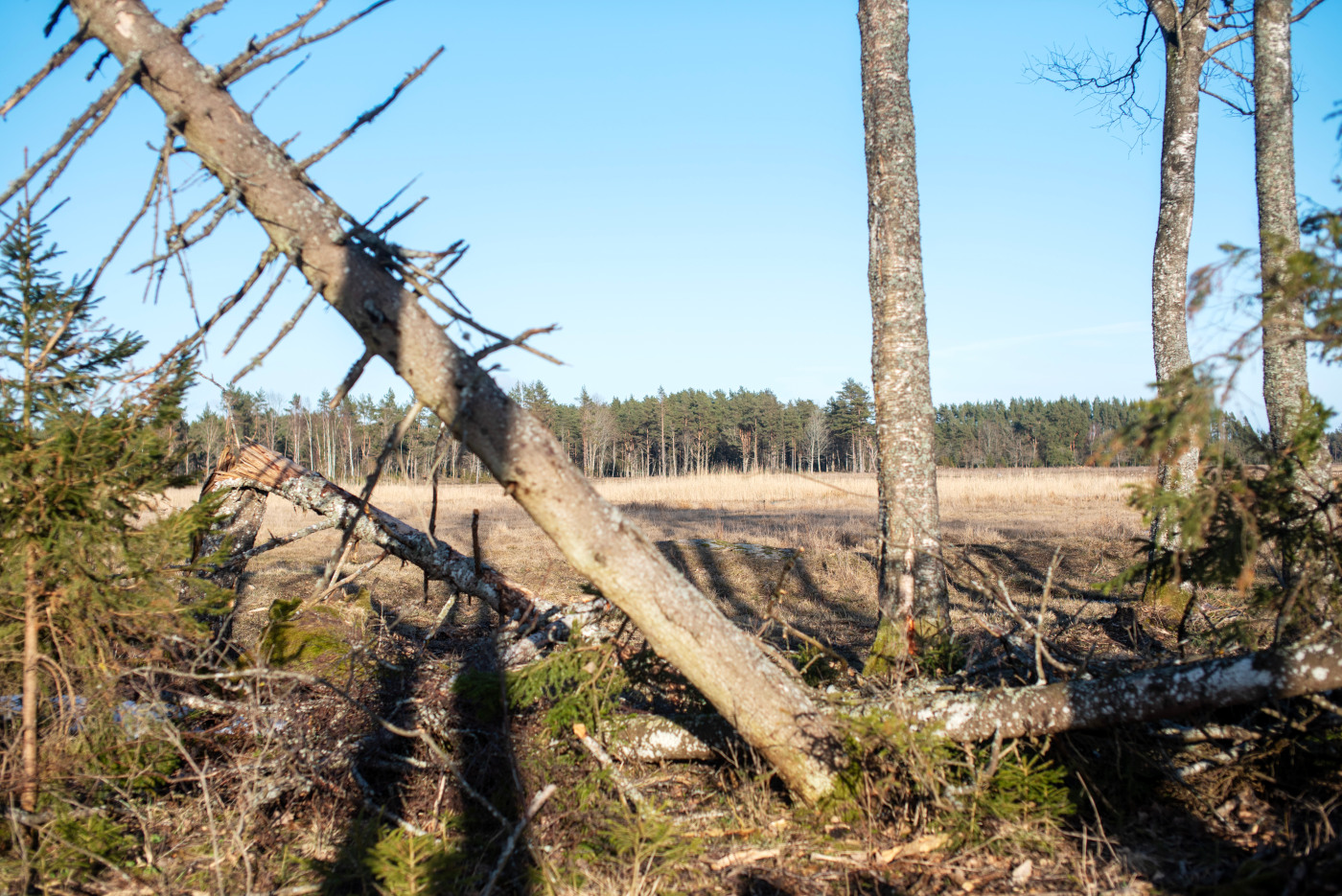
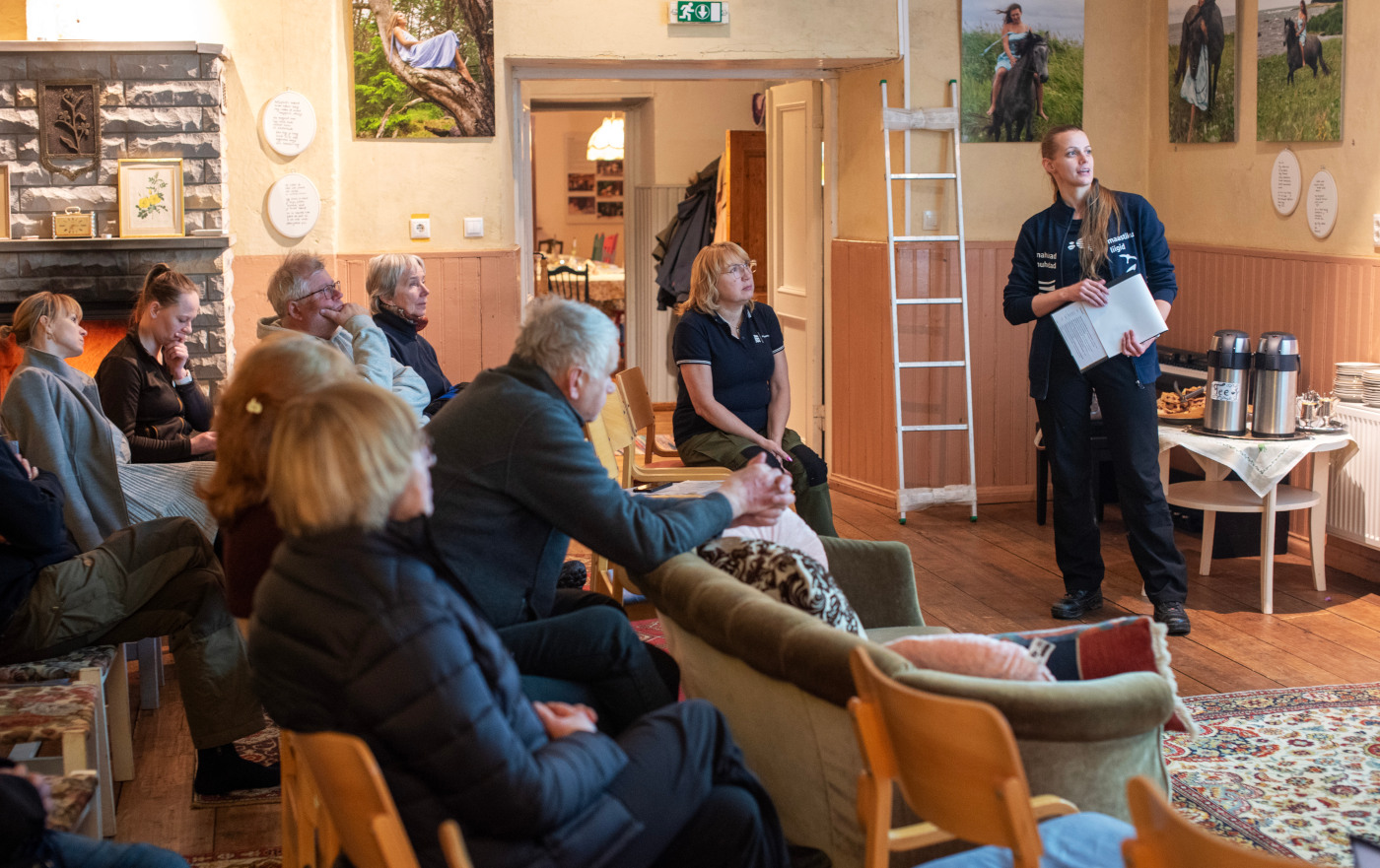
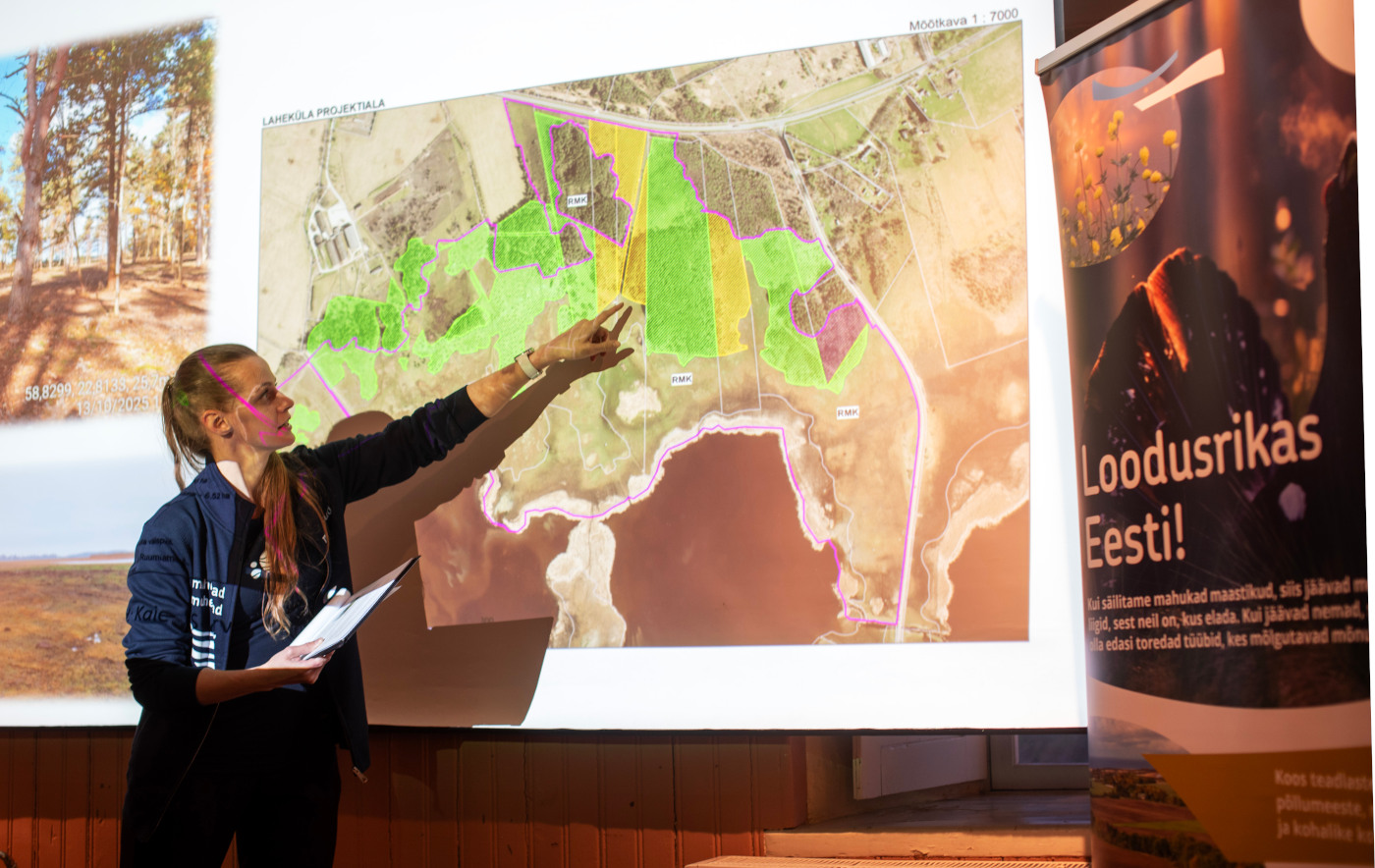
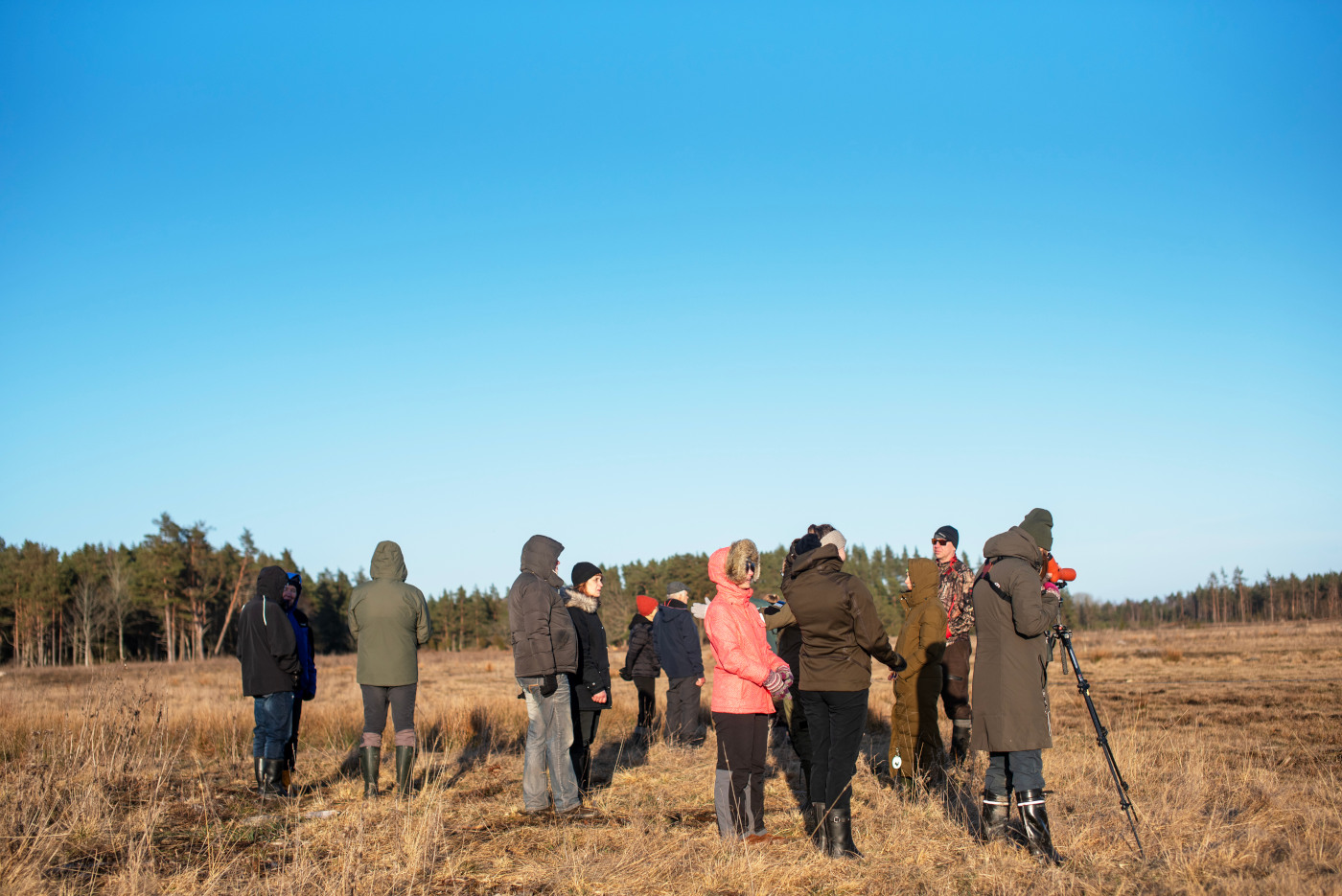
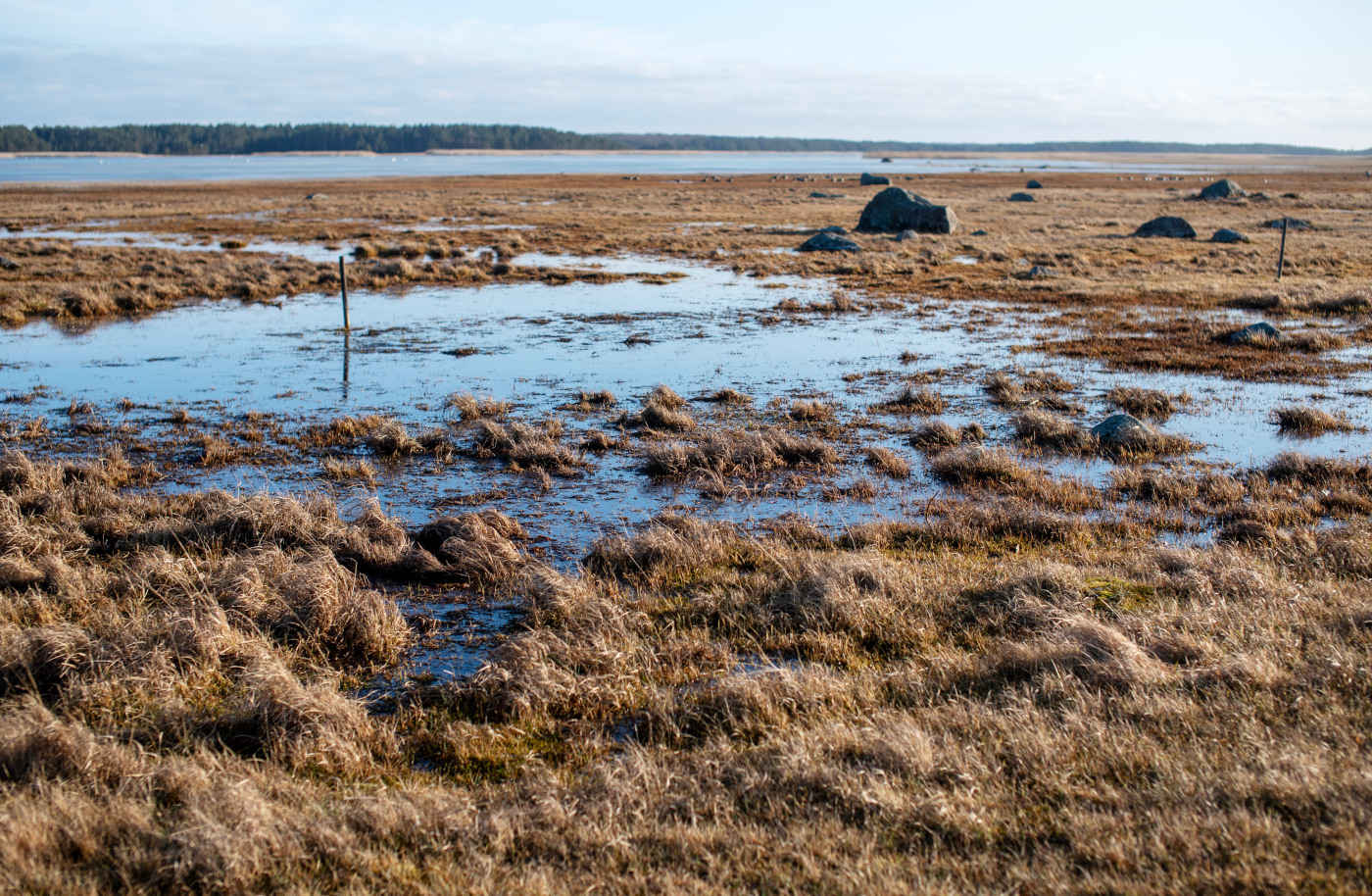
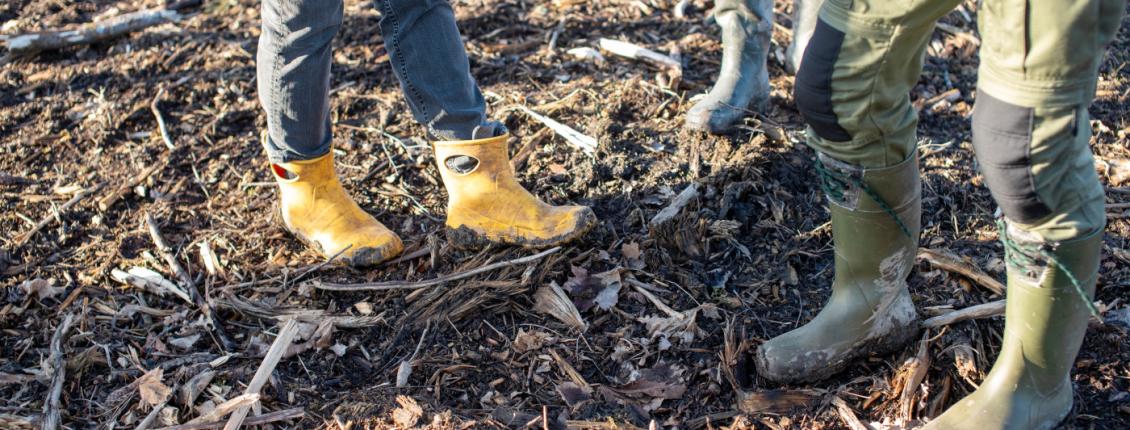
In mid-March, we joined a group of Kassari coastal meadow managers and other interested parties to assess how well nature has recovered following the restoration work on the coastal meadows and what impact the restoration has had on birds and coastal wildlife. The day began in the Aandi-Laheküla area with a guided walk through the recently restored meadow, led by site manager Tõnu Kaptein. The day continued with presentations and a discussion at the Kassari community centre.
The presentations delivered at the meeting painted a fairly clear picture: coastal meadows are recovering quickly and birds are returning to these coastal areas as soon as the opportunity arises. However, their breeding success still depends on a number of factors – most notably the size of the meadows and the pressure exerted by small predators.
Thanks to dedicated managers, Kassari coastal meadows are in very good condition
Riinu Rannap, Associate Professor of Wetland Ecology, University of Tartu, explained that many waders nesting in coastal meadows – such as the southern dunlin, common redshank, and black-tailed godwit – are best suited to large, open meadows, and she is absolutely delighted to see how much the Kassari coastal areas have expanded over the last couple of years. Studies also show that good nesting conditions arise when a coastal meadow is at least 100 hectares in size and, on average, over 200 metres wide. The presence of temporary pools of water is also important, as is grazing, which keeps the vegetation in a suitable condition.
The coastal meadows of Kassari are also in good condition in terms of vegetation; they are home to several rare coastal plants, such as herbaceous seepweed, pedunculate sea-purslan, and slender hare’s-ear. The salt marshes of the coastal meadows are also wonderful, where plants that prefer higher salinity grow, such as marsh samphire, herbaceous seepweed, and alkali grass, recalled Koit Tikk, owner of the Kassari Riding Farm.
The populations of the northern lapwing and the common redshank are on the rise
Amaranta Adojaan, a PhD student at the University of Tartu, gave a very interesting presentation on the monitoring results for the coastal meadows of Hiiumaa, which show, among other things, that the northern lapwing is currently the most abundant breeding bird on Hiiumaa, followed by the common redshank. However, the common snipe and the southern dunlin are faring the worst, and the breeding success of waders is largely regulated by the fox. According to the land managers, the fox has become so bold that it builds its den right next to a bird’s nest in an open field. The common raccoon dog, on the other hand, is doing poorly and is not preying on birds.
The fifth season of small predator hunting is currently underway, and as the amendments to the hunting regulations that came into force on 5 April this year allow small carnivore hunting in nature reserves until 30 April, this allows us to protect bird nests from small predators more effectively than before.
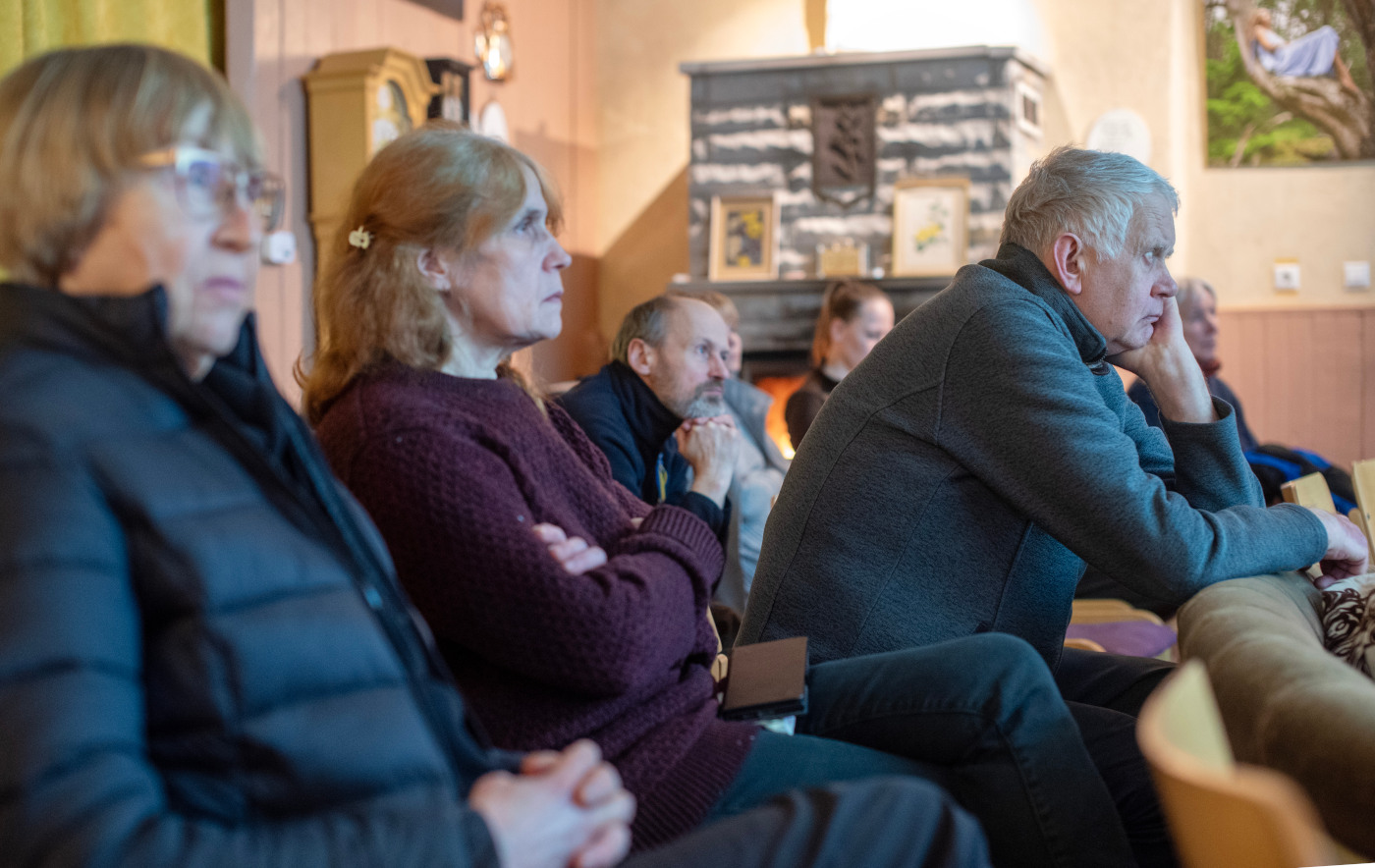
The meeting concluded with a discussion in which we addressed both the practical aspects of restoration work and the role of local people in maintaining coastal meadows. Without people who care deeply about local life, we would achieve nothing.
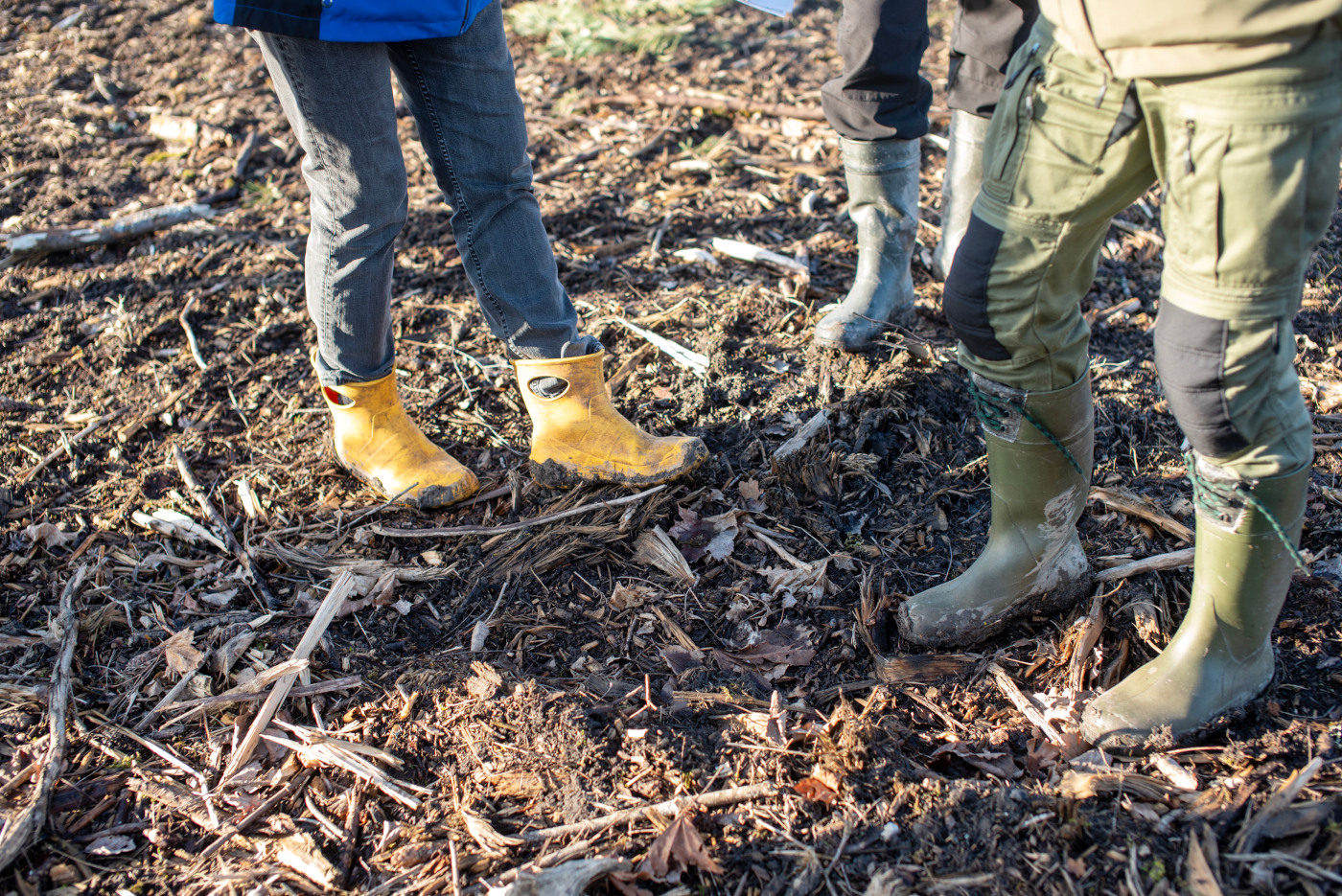
The restoration of coastal meadows in collaboration with landowners and caretakers is one of the most extensive projects of the ‘Nature-Rich Estonia’ initiative. Ten of the sites are located on Hiiumaa, and the other ten on Saaremaa and in Matsalu. During the restoration work, trees and shrubs are felled, reeds are cut back, the water regime is restored and, where necessary, the population of small predators is reduced.